
Why Proactive IT Security Is Replacing Reactive Defense Models
 Buxton Team
 For many years, IT security was treated as a defensive layer applied after systems were built and deployed. Firewalls were configured, antivirus tools were installed, and incident response plans were documented – often with the assumption that serious breaches were rare events. That assumption no …
Why Application Integration Has Become a Business-Critical Capability
Modern enterprises no longer operate on a single system or platform. Over time, organizations accumulate ERP systems, CRM platforms, custom applications, cloud services, partner portals, and third-party tools. Each system may perform its role well in isolation, but without effective integration, the overall IT ecosystem …
Building Resilient IT Operations in an Era of Constant Change
Technology environments today are evolving at a pace that few organizations were designed to handle. Cloud platforms, cybersecurity threats, regulatory pressures, distributed workforces, and rising customer expectations have fundamentally changed how IT operates. In this environment, resilience is no longer a “nice to have” capability. …

Why IT Modernization Fails Without Strong Operational Foundations
IT modernization has become a board-level priority for many organizations. Cloud adoption, application modernization, cybersecurity upgrades, automation, and AI initiatives dominate technology roadmaps. Yet despite heavy investment, many modernization programs fail to deliver lasting value. The root cause is rarely technology. Most failures stem from …
Why IT Assessments Are the Foundation of Every Successful Digital Transformation
Digital transformation initiatives often begin with ambitious goals—cloud migration, automation, cybersecurity modernization, or application modernization. Yet many of these initiatives fail to deliver expected outcomes, not because the technology is flawed, but because organizations skip a critical first step: a structured IT assessment. An IT …
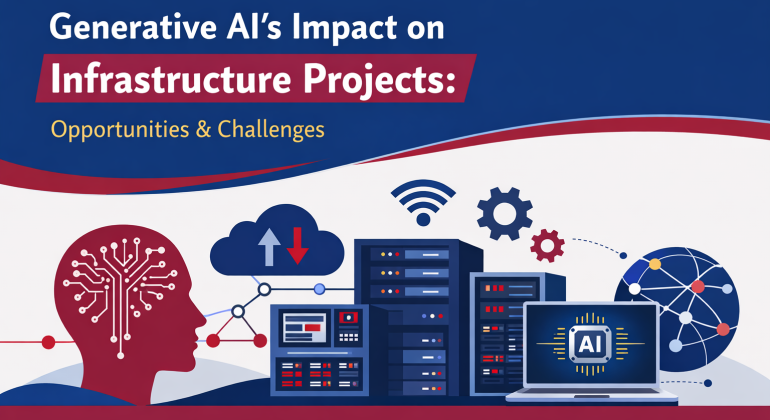
Generative AI’s Impact on Infrastructure Projects: Opportunities & Challenges
Infrastructure projects have always been complex undertakings. Whether involving data centers, networks, cloud foundations, or enterprise platforms, these projects require precise planning, coordination across teams, and careful risk management. Traditionally, much of this work has depended on human expertise, static documentation, and manual processes. Generative …
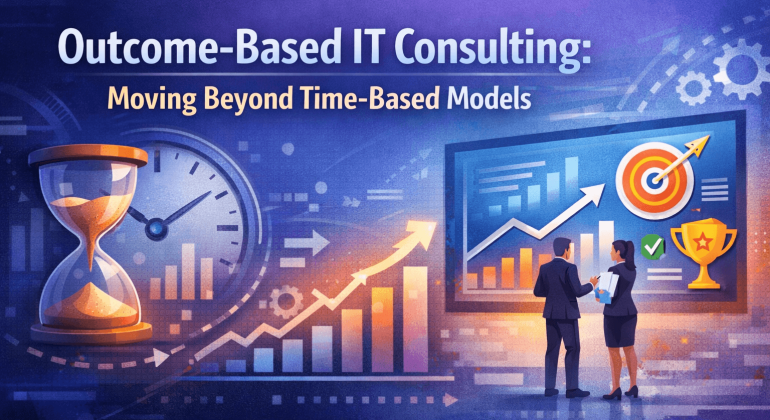
Outcome‑Based IT Consulting: Moving Beyond Time‑Based Models
For decades, IT consulting has largely operated on time-based and effort-based models. Engagements were scoped around billable hours, resource counts, or fixed timelines, with success measured by delivery milestones rather than business impact. While this approach provided predictability in contracting, it often failed to align …
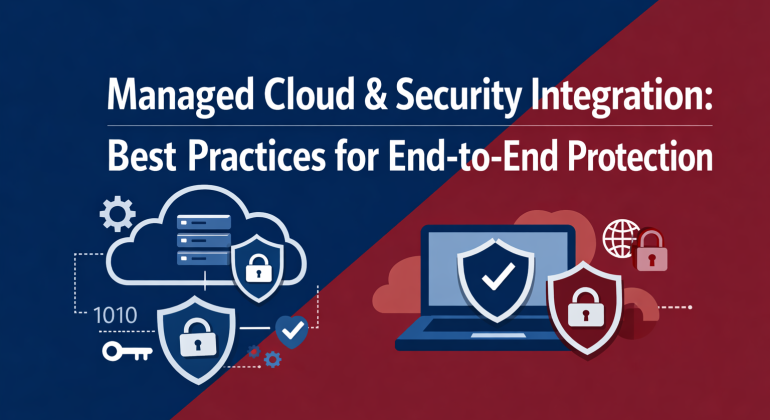
Managed Cloud & Security Integration: Best Practices for End‑to‑End Protection
Cloud adoption has fundamentally changed how organizations design, deploy, and operate IT environments. Enterprises now rely on a mix of public cloud, private cloud, on-premise systems, and SaaS platforms to support critical business operations. While this hybrid reality enables agility and scalability, it also introduces …
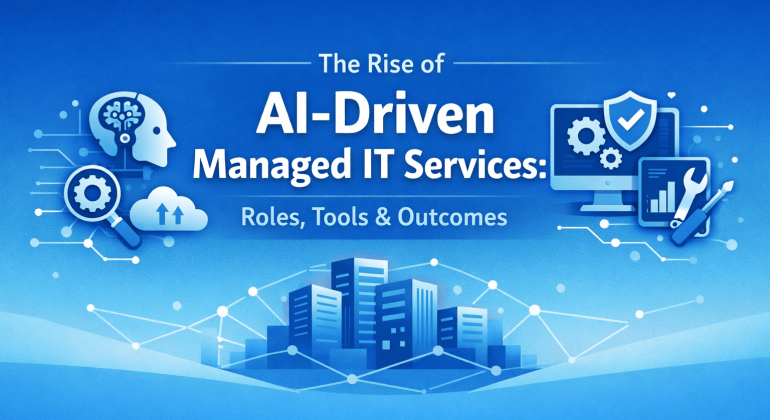
The Rise of AI‑Driven Managed IT Services: Roles, Tools & Outcomes
Managed IT services were traditionally built around stability and support. Their primary focus was ensuring uptime, resolving incidents, maintaining infrastructure, and meeting service-level agreements. This approach worked well when IT environments were relatively static and predictable. Today, enterprise IT is anything but static. Organizations operate …
Enterprise Applications Implementation: Lessons from Large-Scale Deployments
Rolling out an enterprise application across a whole organization looks exciting on a slide. In reality, it’s messy, political, and often far more complex than the original business case assumed. The good news: most of the pain points are predictable. If you’ve seen a few …